NORTH Photography
Home / Photo lessons

Photo lessons

Photo lessons
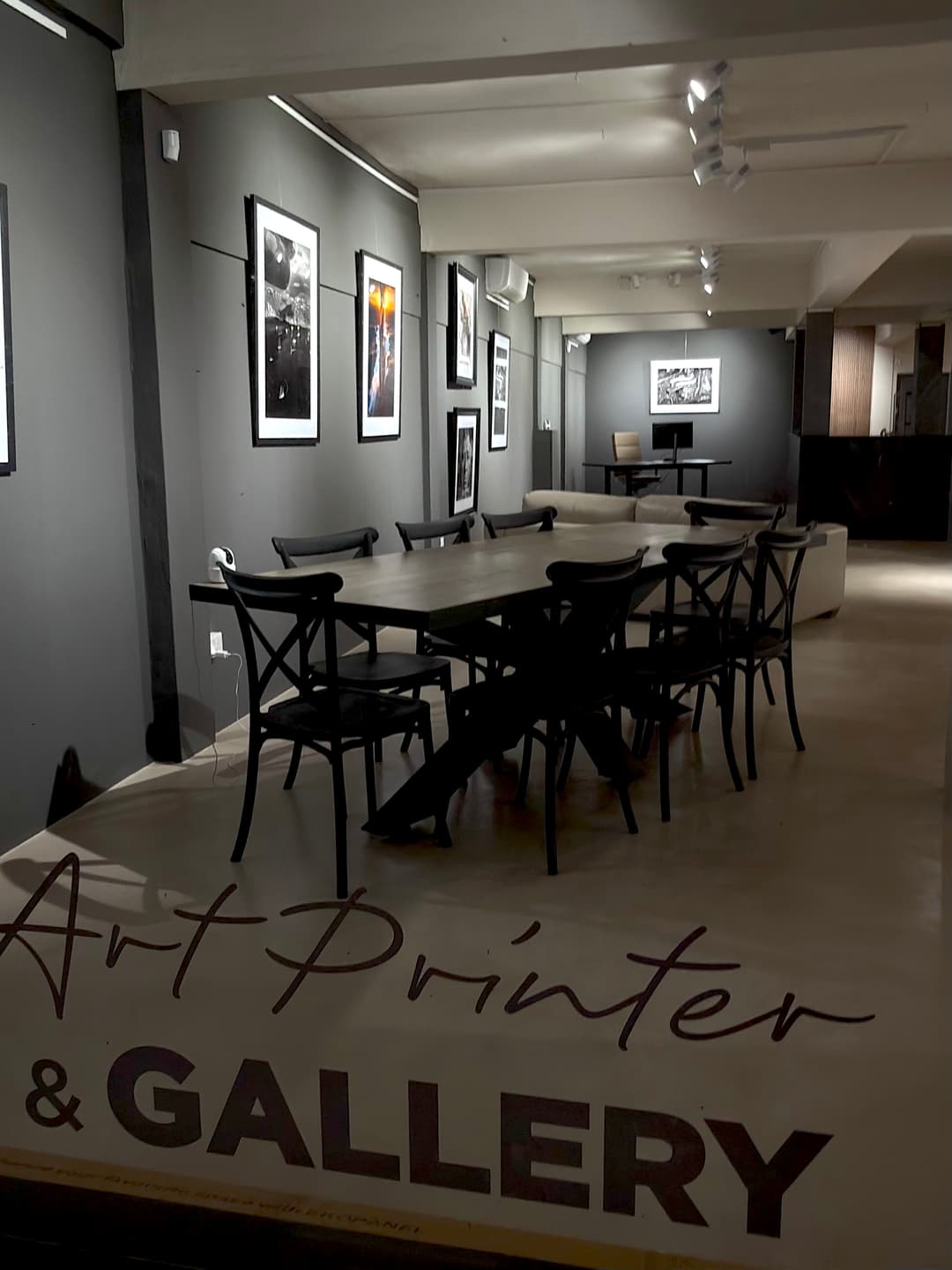
Photo Thursdays: our gathering, every Thursday evening at the gallery.

Every Thursday evening, we meet in the gallery space to screen our images, share friendly critiques and plan upcoming outings.

We also talk about the week's lessons: a new lesson appears here every Wednesday and every Sunday, and on Thursday evening we discuss it together, camera in hand.

The lessons are written especially for the Indian Ocean region, and above all for Mauritius: its light, its landscapes, its climate. But most of them apply anywhere in the world.

Open to all levels, beginners and advanced alike.

The lessons

Get the lessons by email ↓The lessons on Instagram ↗The lessons on Facebook ↗
North Photography School

Learn photography, properly, in two years.

A complete programme for every level: beginners, keen amateurs and professionals. Over 200 lessons are coming here, two a week, every Wednesday and every Sunday, for two years. Each lesson takes a few minutes to read, with images, an exercise and a quiz. And on Thursday evening, we talk about it together at the gallery.


208
lessons
2
year programme
2
lessons a week
4
main themes
Next lesson · in 51 days
Le triangle d'exposition expliqué simplement
Wednesday, 6 January 2027 · Exposure
0 lessons out of 208 published
Your progressMastered: 0 · Read: 0
Tick “Read” and “Mastered” at the end of each lesson. Your progress stays in this browser: nothing is sent.
208 lessons
Gros plan sur les lamelles du diaphragme d'un objectif, à moitié ouvert
Published: Wednesday, 6 January 2027Thursday at the gallery: Thursday, 7 January 2027
Lesson no. 1
Exposure
The exposure triangle explained simply
Aperture, shutter speed, ISO: three settings that together decide the light in your photo. Understand how they balance, and a photo that is too dark or too bright will never be a mystery again.
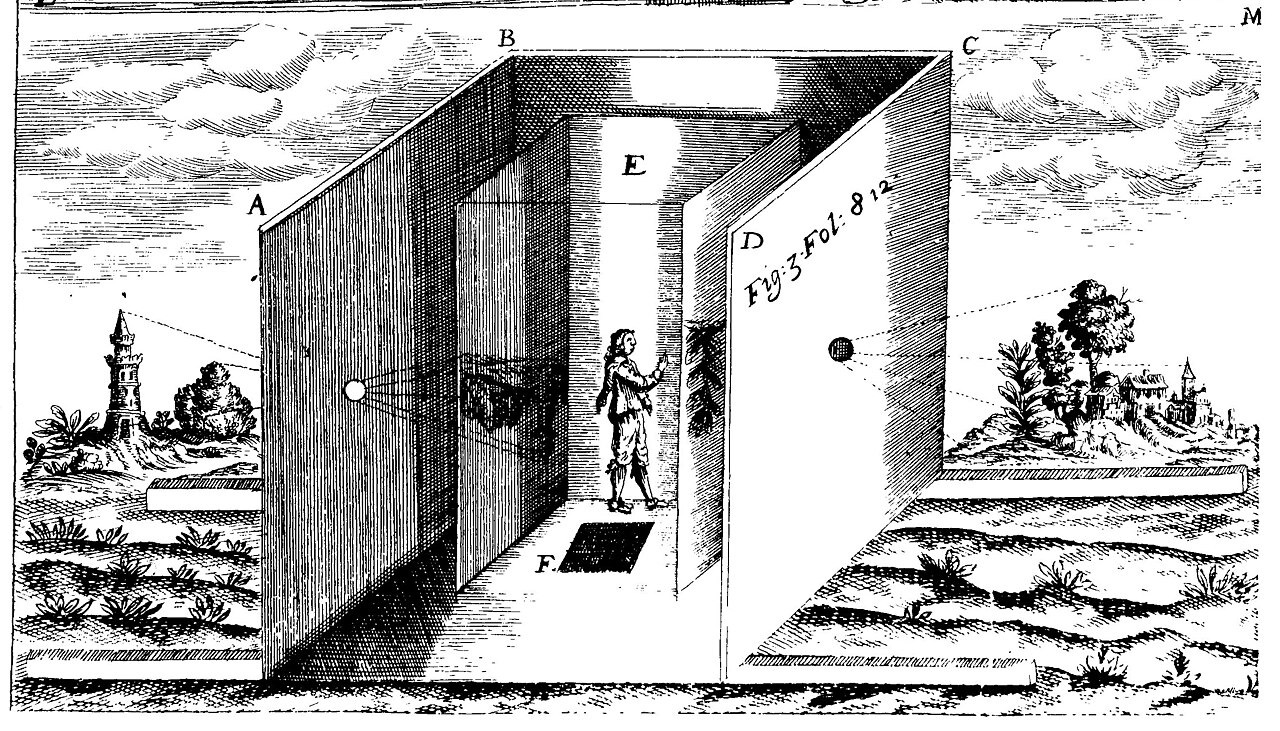
Old engraving of a camera obscura: a man inside a box sees the landscape projected upside down
Published: Sunday, 10 January 2027Thursday at the gallery: Thursday, 14 January 2027
Lesson no. 2
Origins and processes
Camera obscura: the dark room before photography
Long before the first camera, scholars and painters shut themselves in a darkened room to watch the world draw itself, upside down, on a wall. This phenomenon, the camera obscura, is the direct ancestor of the camera in your pocket.
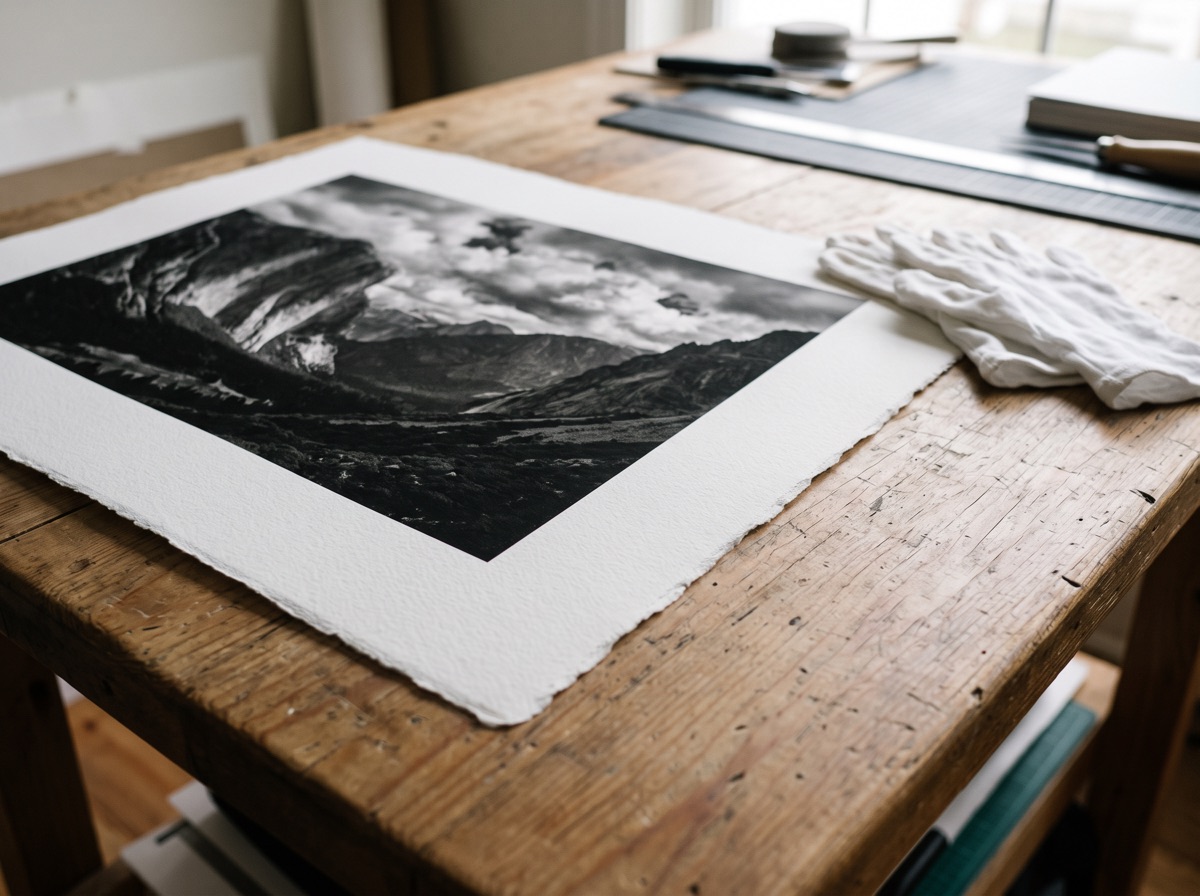
A black and white print on thick cotton paper, lying on a workshop table next to white gloves.
Published: Wednesday, 13 January 2027Thursday at the gallery: Thursday, 14 January 2027
Lesson no. 3
Fine Art printing
What is a Fine Art print?
A photo on a screen disappears with a swipe of the finger. A Fine Art print can be looked at, touched, and handed down through generations: let us see what sets it apart from an ordinary print.
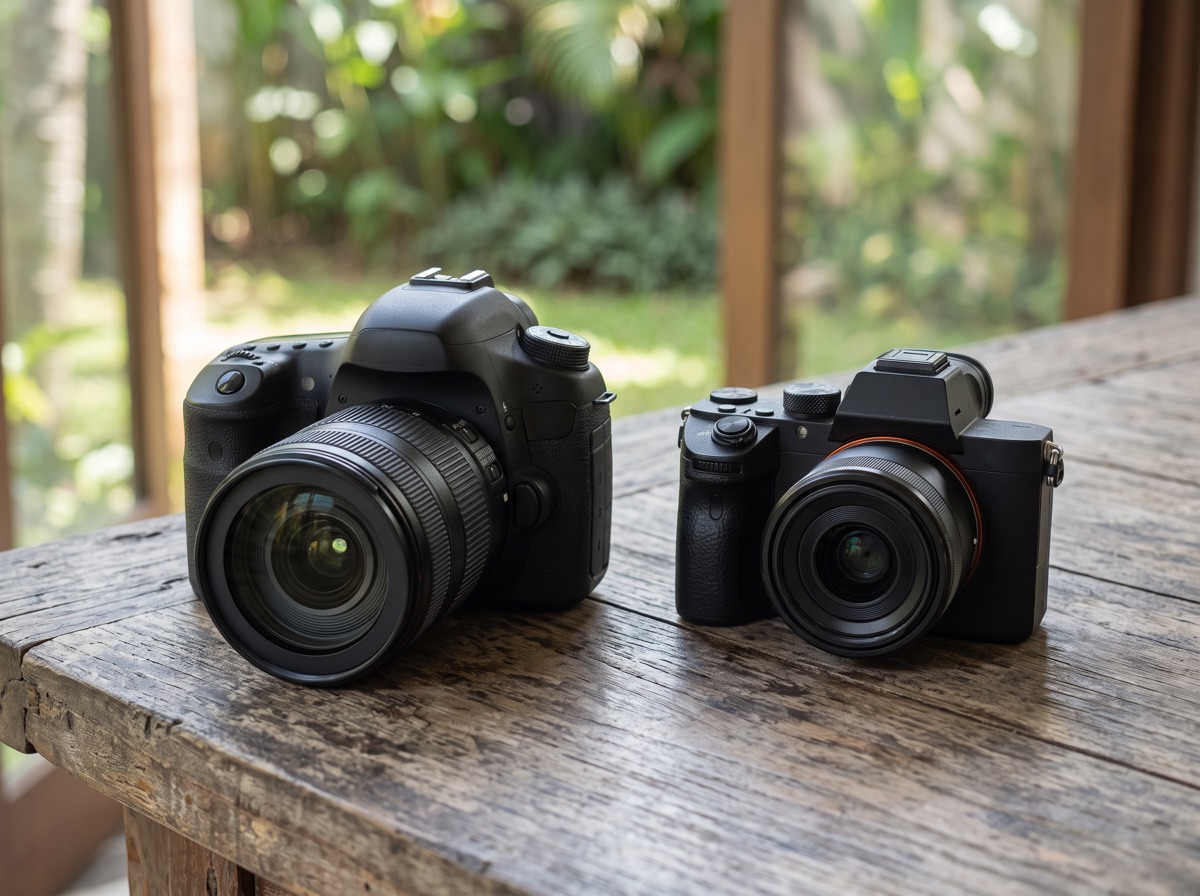
A DSLR camera and a mirrorless camera side by side on a wooden table, in front of a tropical garden.
Published: Sunday, 17 January 2027Thursday at the gallery: Thursday, 21 January 2027
Lesson no. 4
Bodies and sensors
DSLR or mirrorless: where do things stand?
A mirror that clacks or a tiny screen in the viewfinder: two ways of seeing the world through a camera. Let us take stock, without bias, so you can choose with your eyes open.
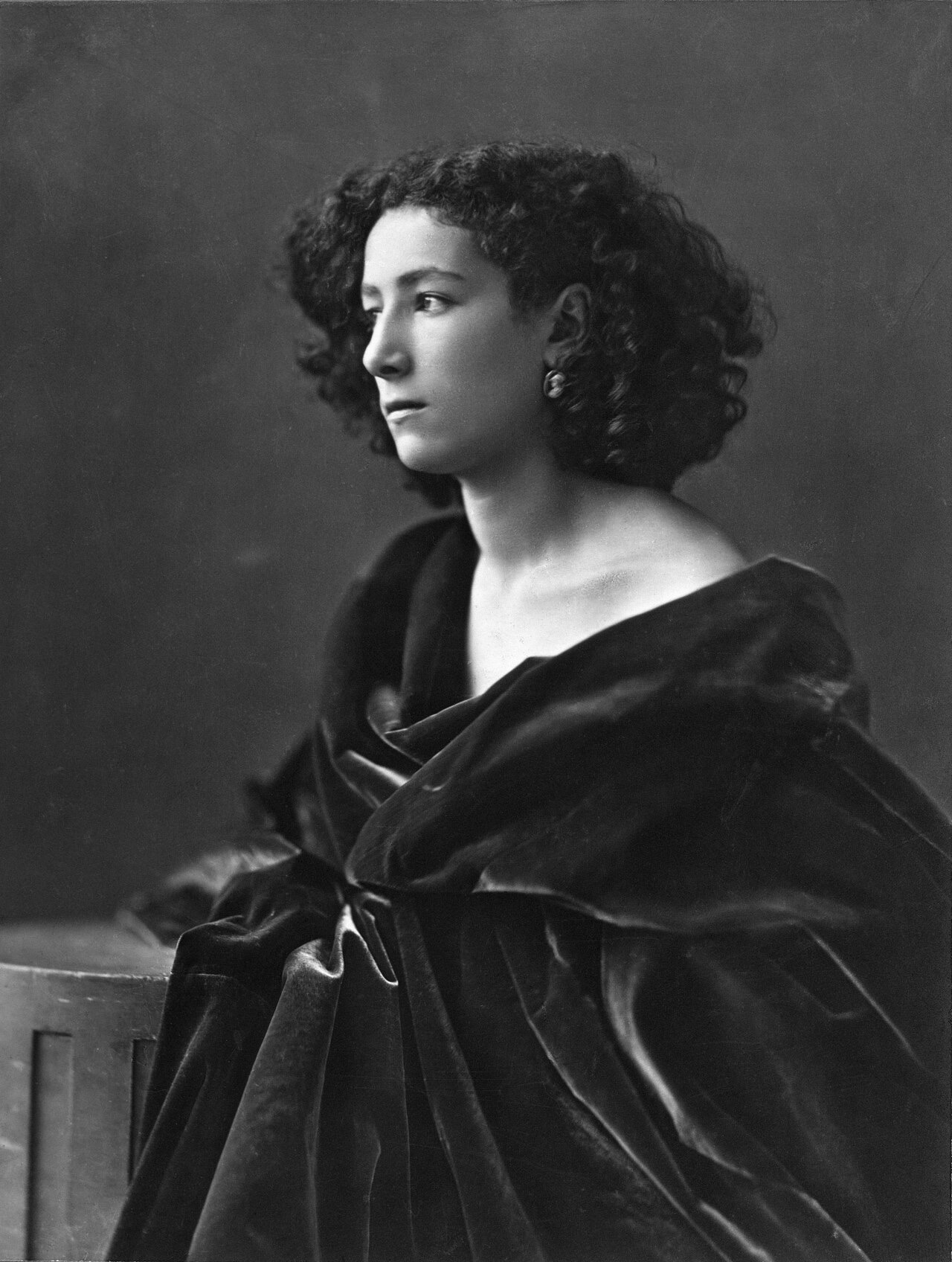
Nadar's portrait of a young Sarah Bernhardt, draped in velvet against a plain background
Published: Wednesday, 20 January 2027Thursday at the gallery: Thursday, 21 January 2027
Lesson no. 5
Great photographers
Nadar, portraitist of Paris
In the 19th century, the whole of artistic Paris passed in front of his lens. His recipe came down to very little: a bare background, beautiful light, and a real conversation with the person sitting opposite.
A lone pirogue on a turquoise lagoon, placed on a strong point of the frame, with mountains on the horizon.
Published: Sunday, 24 January 2027Thursday at the gallery: Thursday, 28 January 2027
Lesson no. 6
Composition
The rule of thirds: useful, but not sacred
Two horizontal lines, two vertical lines, and suddenly your horizon stops cutting the photo in half. The rule of thirds is the first composition tool: learn to use it, then learn when to set it aside.
Four lenses of different sizes lined up on dark slate, from wide angle to short telephoto.
Published: Wednesday, 27 January 2027Thursday at the gallery: Thursday, 28 January 2027
Lesson no. 7
Lenses
Focal lengths: understanding 24, 35, 50 and 85 mm
On a lens, a single number changes the whole photo: the focal length. Learn to recognise the four classic focal lengths, and you will finally know why an image feels wide, intimate or solemn.
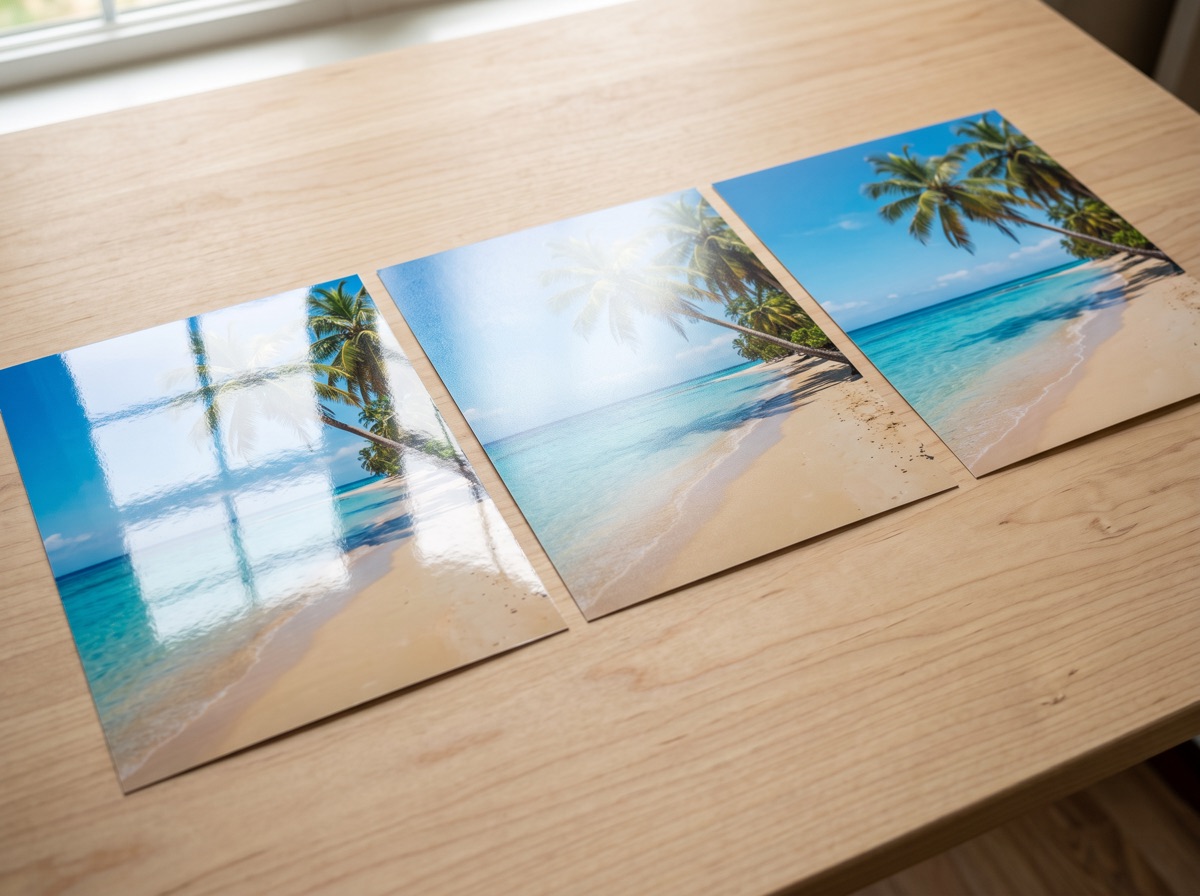
Three prints of the same beach side by side: one glossy with reflections, one satin and one matte.
Published: Sunday, 31 January 2027Thursday at the gallery: Thursday, 4 February 2027
Lesson no. 8
Papers and media
Matte, gloss, satin paper: what effect?
The same photo can look vivid, soft or almost velvety depending on the paper that carries it. Before talking about brands or paper weights, learn to recognise the three main families of surfaces and what they do to your images.
Le Morne just after sunset, between the golden glow on the horizon and the evening blue over the lagoon.
Published: Wednesday, 3 February 2027Thursday at the gallery: Thursday, 4 February 2027
Lesson no. 9
Light
Golden hour, blue hour
The most beautiful light of the day does not last long, and in the tropics even less. Learn to recognise it, to wait for it and not to let it slip away.
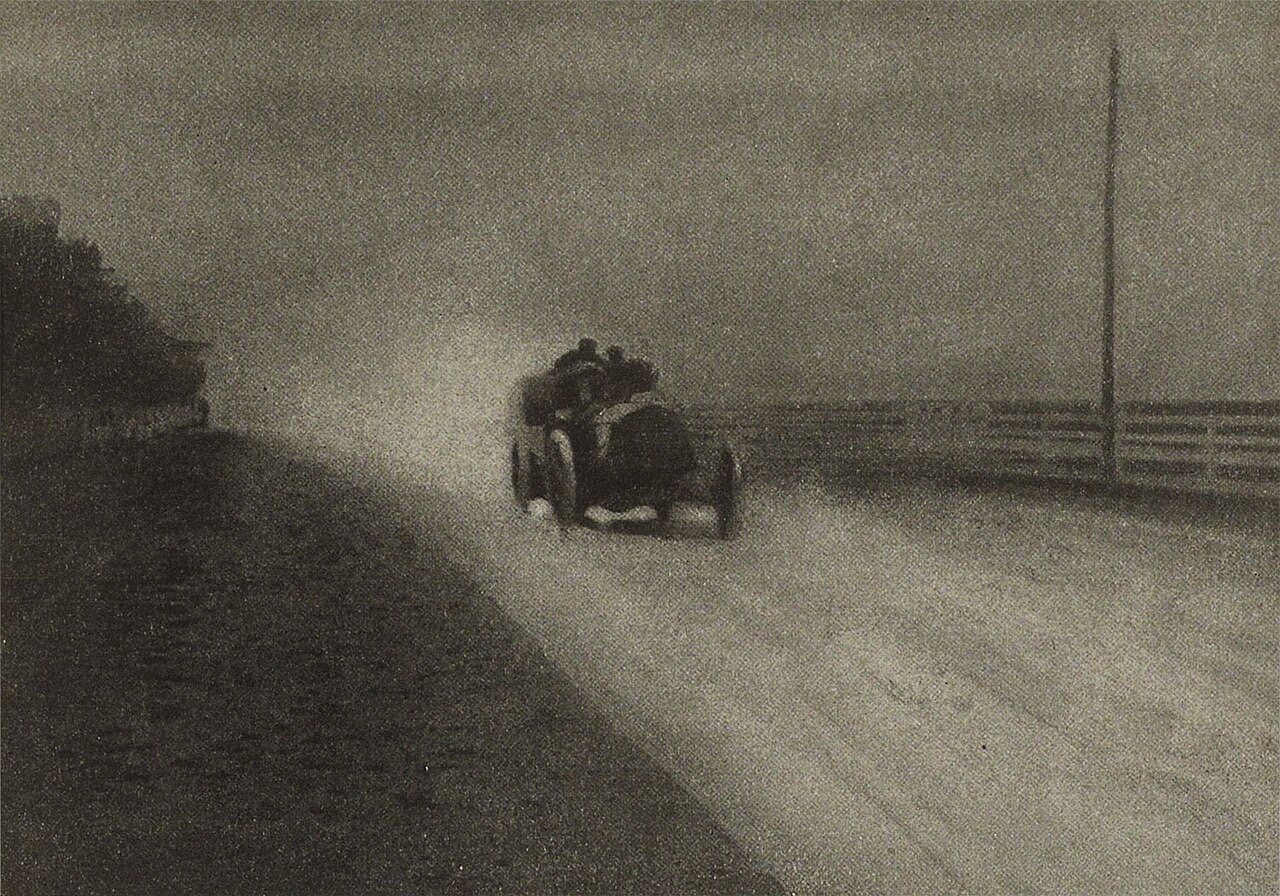
Soft pictorialist photograph of a motor car speeding along a dusty road
Published: Sunday, 7 February 2027Thursday at the gallery: Thursday, 11 February 2027
Lesson no. 10
Movements and schools
Pictorialism: when photography wanted to be painting
At the end of the 19th century, some photographers set out to prove their art was the equal of painting. Their soft, misty, hand-worked images opened a debate that is still not settled: what makes a photo a work of art?
A lagoon photo framed with a wide white mat, standing on the workbench of a framing workshop.
Published: Wednesday, 10 February 2027Thursday at the gallery: Thursday, 11 February 2027
Lesson no. 11
Framing and hanging
Framing a photo: the basic rules
A beautiful print propped on a shelf is still just a sheet of paper. Framed with care, it becomes an object that inhabits a room: here are the simple rules for getting it right.
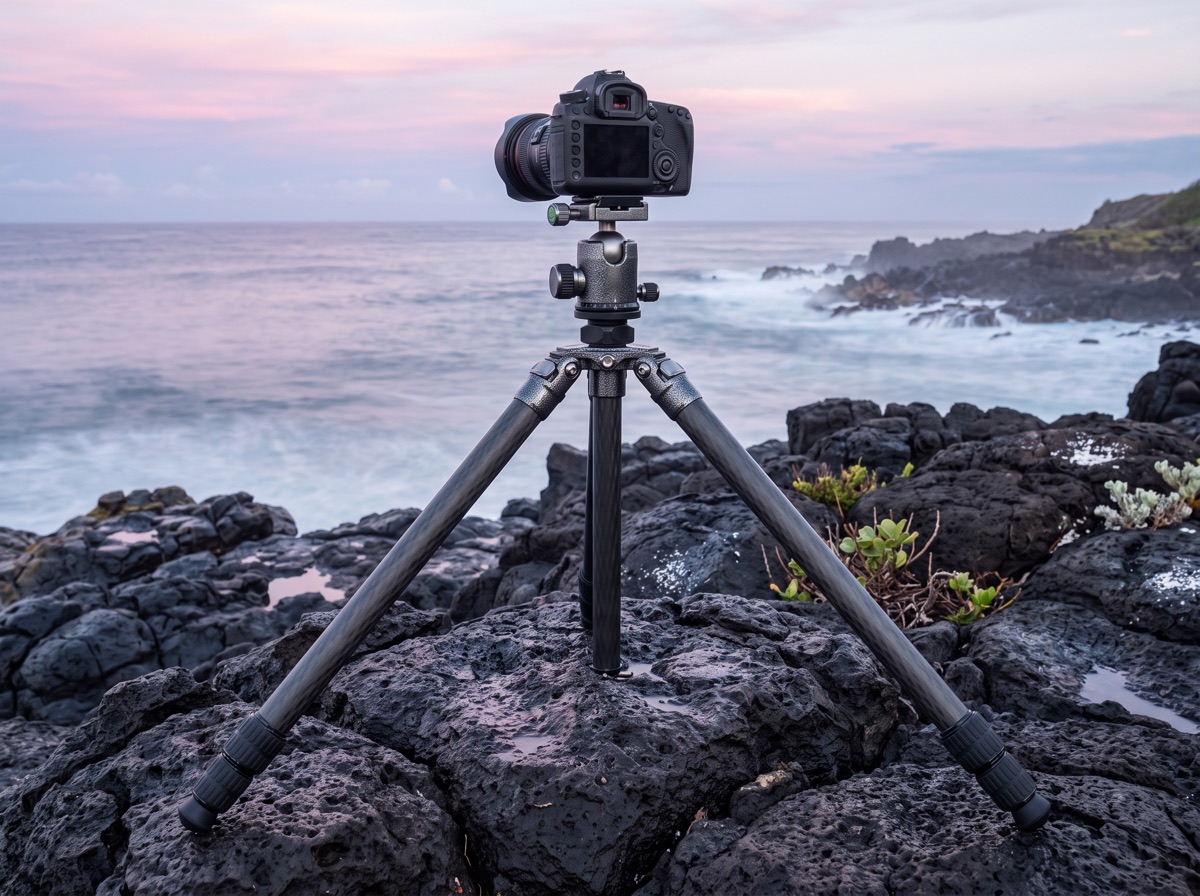
A carbon tripod with a ball head and camera, firmly planted on volcanic rocks by the sea at dawn.
Published: Sunday, 14 February 2027Thursday at the gallery: Thursday, 18 February 2027
Lesson no. 12
Accessories
Tripods: stability, weight, head
A tripod is not just for night photos: it slows your eye down and makes possible images that no hand can hold steady. But you need the right one, not so heavy that it stays at home, not so light that it shakes at the first breath of the trade winds.
North Photography School

Get the new lessons

The Photo Thursdays letter: the Wednesday and Sunday lessons, and our Thursday evening gathering at the gallery.

North Photography uses this information only to send you the Photo Thursdays letter. It is never sold or rented. Without confirmation within 30 days, your request is deleted. Every message contains an unsubscribe link. Privacy policy